You found the car.
The price looks fair.
And the vehicle history report says:
No accidents reported. Clean title.
That should mean it’s safe to buy… right?
Not necessarily.
A clean vehicle history report is helpful. But it is not a guarantee of mechanical health or hidden damage.
Here’s what most buyers misunderstand.
What A Clean Report Actually Means
A clean vehicle history report usually means:
- No reported accidents
- No branded title (salvage, flood, rebuilt)
- No total loss insurance claim
That’s good news.
But here’s the key word:
reported.
If something was never reported to insurance or the DMV, it may never appear.
What A History Report Cannot Show
A vehicle history report cannot tell you:
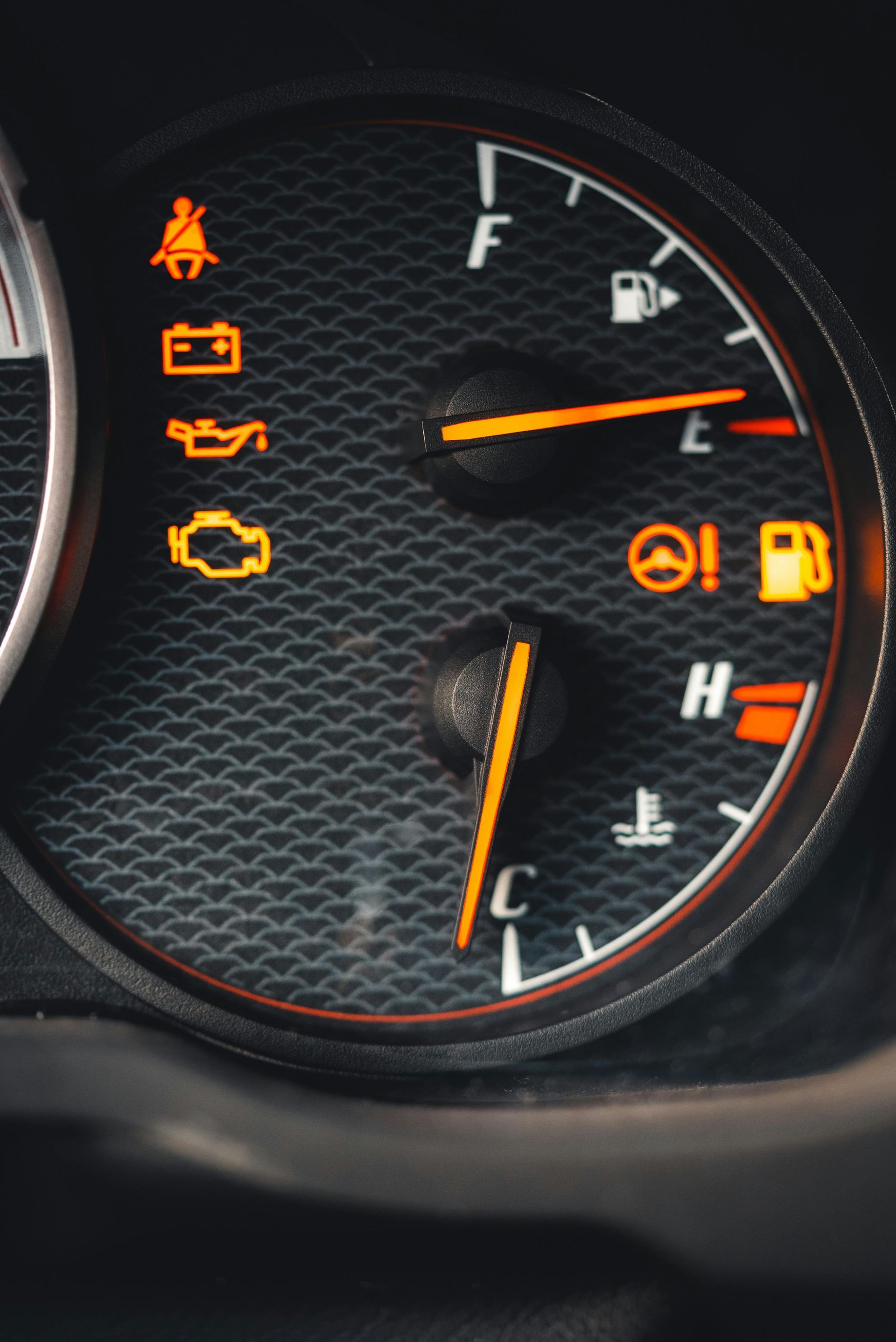
- Current engine condition
- Transmission health
- Suspension wear
- Electrical reliability
- Hidden rust
- Minor accidents paid out-of-pocket
It also doesn’t show how the car was driven.
Hard acceleration, towing abuse, or poor maintenance won’t appear on paper.
Unreported Accidents Are More Common Than You Think
Not every accident goes through insurance.
Some owners:
- Pay cash for repairs
- Have minor body work done privately
- Repair damage without official documentation
That means the report may stay “clean” even after repairs.
This is why visual inspection matters.
Maintenance Is Often Incomplete
Many service centers do not report maintenance data.
A vehicle history report may show:
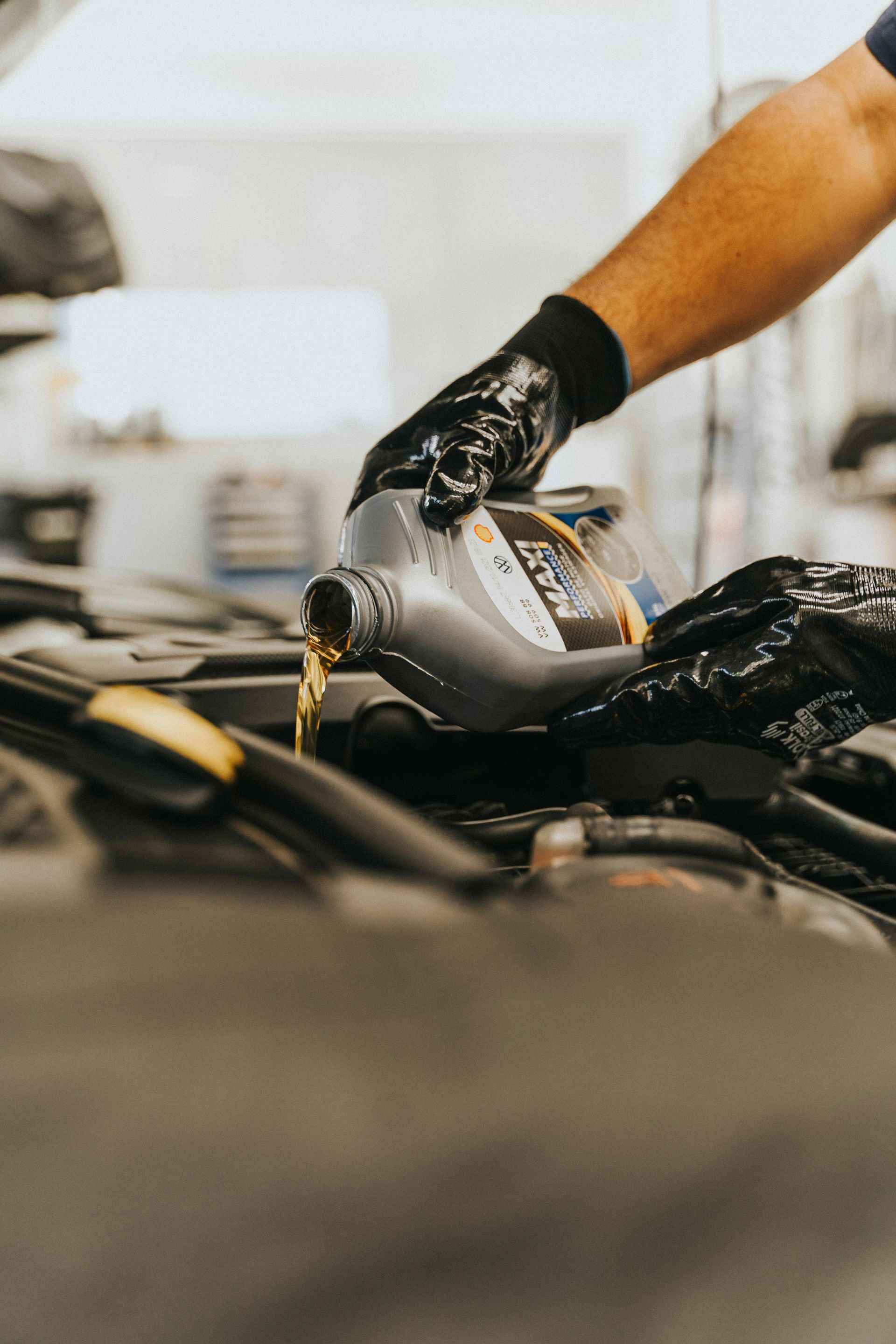
- Only some oil changes
- Gaps in service
- No record of transmission service
That doesn’t mean maintenance didn’t happen.
But it also doesn’t confirm that it did.
Consistency matters more than a few random entries.
Rental And Fleet Vehicles Can Still Show Clean
Rental cars often have:
- Clean titles
- Regular maintenance entries
- No accidents reported
But they may also have:
- Multiple drivers
- Aggressive usage
- Heavy wear in short periods
A clean report doesn’t reflect driving style.
Why Buyers Overtrust History Reports
History reports feel official.
They look detailed and structured.
That creates psychological comfort.
But comfort is not the same as certainty.
Smart buyers treat the report as one tool — not the final decision maker.
What You Should Do Instead
Use the vehicle history report to:
- Identify patterns
- Spot red flags
- Check ownership history
- Review title status
Then combine it with:
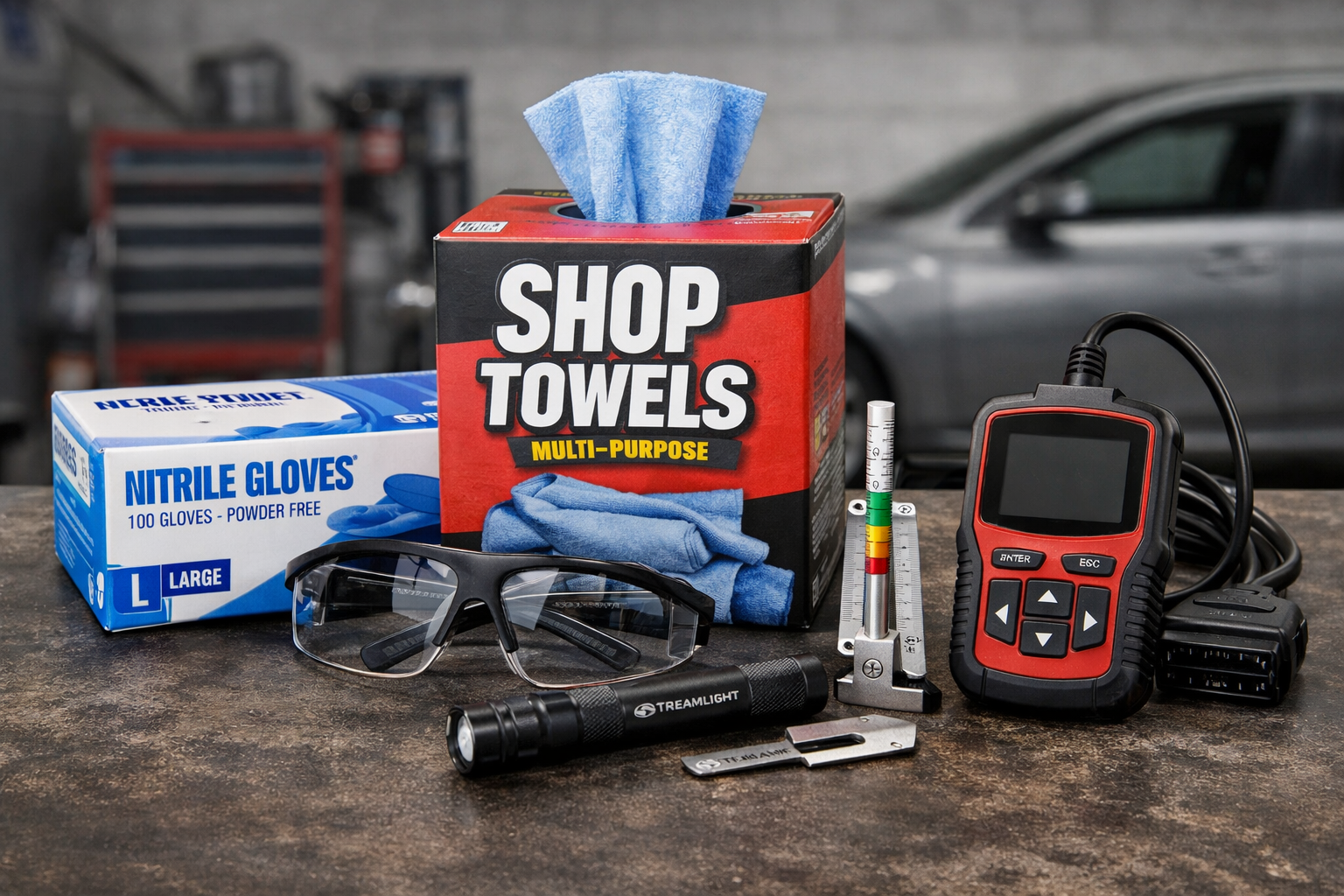
- Full visual inspection
- Diagnostic scan
- Proper test drive
- After-drive recheck
The process protects you.
The paper alone does not.
The Real Risk
The biggest mistake buyers make is this:
They see “Clean Report” and stop investigating.
That’s when problems slip through.
Final Thought
A clean vehicle history report is a good start.
But it’s not proof of mechanical health, structural integrity, or long-term reliability.
Paper doesn’t drive the car.
Inspection does.
Inspect before you invest.